
Cracked Tooth vs Chipped Tooth: Is It an Emergency?
February 20, 2026 9:00 amNoticing damage to a tooth can leave you unsure about what to do next. Sometimes you see a small piece missing after biting into something hard. Other times, there is no visible damage at all — just discomfort when chewing or sensitivity that was not there before. In those moments, it is natural to wonder whether the situation requires immediate care or if it can wait.
The difference between a chipped tooth and a cracked tooth often determines how urgent the problem is. While both involve damage to the tooth structure, the depth and severity of that damage can vary significantly.
At Blue Plum Dental in Johnson City, TN, Dr. David J. Miranda and Dr. Mead Lyons evaluate these concerns regularly. In many cases, early assessment helps prevent minor issues from becoming more complicated.
Understanding a Chipped Tooth
A chipped tooth typically involves a small portion of the enamel breaking off. This can happen while chewing hard foods, grinding teeth, or after minor trauma. Often, the damage is visible and easy to feel with your tongue.
In many situations, a chipped tooth:
- Feels rough or uneven along the edge
- Causes little to no discomfort
- Primarily affects the appearance of the tooth
Because enamel does not contain nerves, small chips may not cause pain. For that reason, they are usually not considered dental emergencies. However, that does not mean they should be ignored. Even minor chips can weaken the tooth over time or create sharp edges that irritate the inside of your mouth.
Treatment depends on the extent of the damage. Small chips may simply be smoothed or repaired with bonding. Larger chips, especially those affecting chewing surfaces, may require a crown for added strength and protection.
Understanding a Cracked Tooth
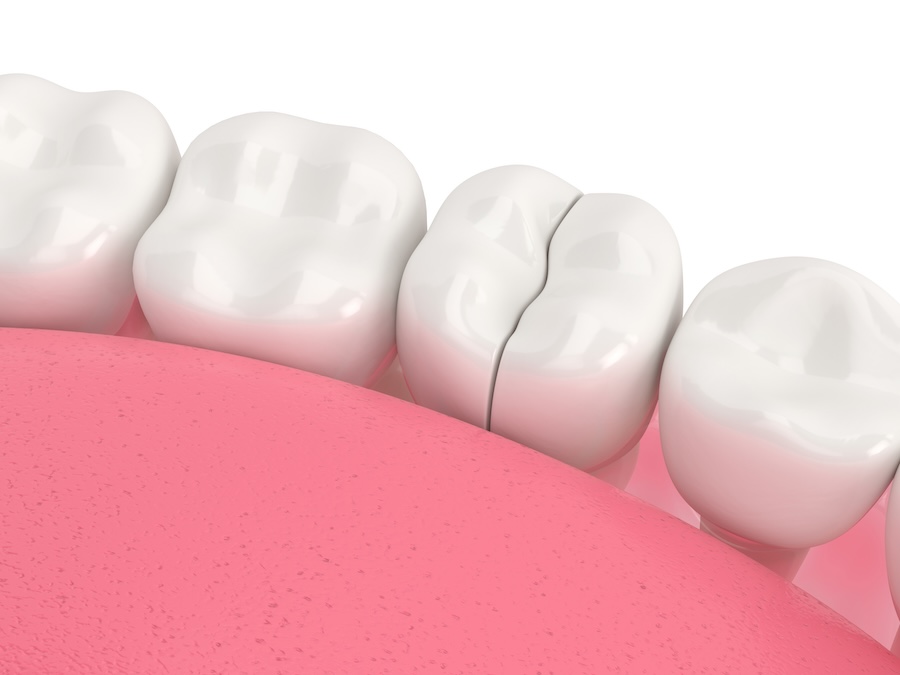
A cracked tooth, on the other hand, often involves deeper structural damage. Instead of a small piece breaking away, the tooth develops a fracture line that can extend into the inner layers.
Unlike a chipped tooth, the signs of a crack are not always obvious at first. You may notice discomfort when biting down, especially when releasing pressure. Sensitivity to hot or cold that lingers longer than usual can also be a sign.
Because cracks can extend toward the pulp — the area that contains nerves and blood vessels — they have a greater risk of leading to infection if left untreated. Additionally, chewing pressure can cause the fracture to widen over time.
For these reasons, cracked teeth are more likely to require prompt attention.
When Is It Truly an Emergency?
Not every broken tooth requires same-day treatment, but certain symptoms suggest you should contact your dentist sooner rather than later.
You should seek prompt care if you experience:
- Persistent or worsening pain
- Swelling around the tooth or gums
- Pain when chewing that does not improve
- A large visible fracture
- Signs of infection such as fever or drainage
Even if the discomfort feels mild, it is wise to have the tooth examined. Dental injuries rarely improve on their own. In fact, small cracks can expand, and untreated fractures may eventually require more extensive treatment.
Early evaluation often allows for more conservative solutions.
Cracked Tooth vs Chipped Tooth at Blue Plum Dental in Johnson City, TN
If you notice a change in your tooth — whether it is a visible chip or new sensitivity — it is best to have it evaluated. At Blue Plum Dental in Johnson City, TN, Dr. David J. Miranda and Dr. Mead Lyons carefully assess cracked and chipped teeth to determine the extent of the damage and recommend the appropriate treatment.
If you are experiencing discomfort or have visible tooth damage, contact Blue Plum Dental in Johnson City, TN to schedule an appointment. A timely evaluation can help protect your tooth and reduce the risk of further complications.
Categorised in: Chipped Teeth, Emergency Dental Care, Fractured Teeth