
The High School Athlete’s Guide to Dental Emergencies
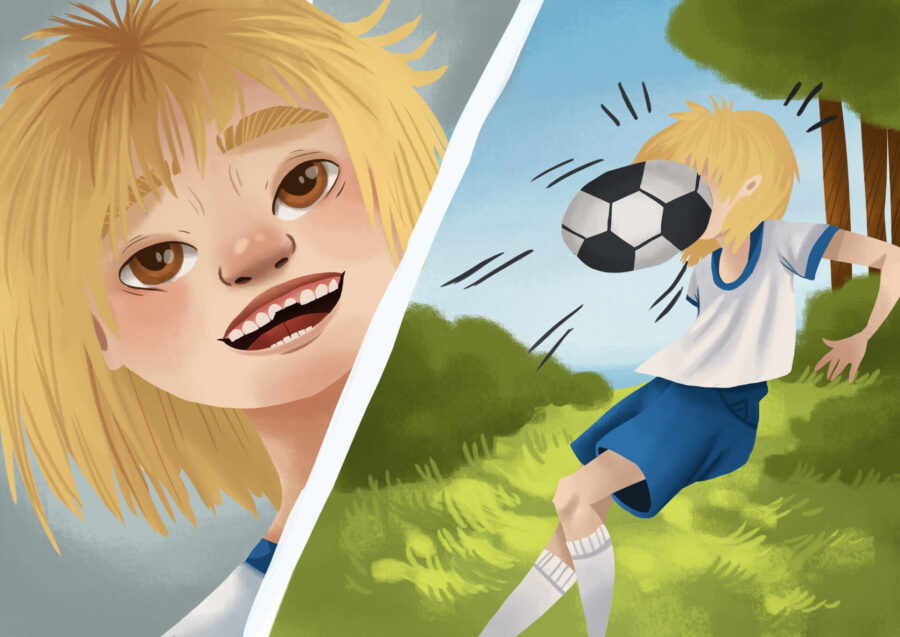
January 23, 2026 9:00 amHigh school sports can be full of passion, teamwork, and memorable moments, but they also come with a fair share of physical contact and surprises. A face‑to‑face collision, an errant elbow during a rebound, or an unexpected fall can suddenly shift your focus from the game to your mouth. When something happens to a tooth, gum, or mouth during play, knowing what to do right away often makes the biggest difference in how well the situation turns out.
At Blue Plum Dental in Johnson City, TN, Dr. David J. Miranda and Dr. Mead Lyons see athletes and families after all kinds of oral injuries. They know that quick thinking and calm action, and a little prevention, help protect smiles. This guide walks through what to watch for, what you can do immediately, and what happens next at the dental office.
When a Tooth Is Knocked Out — What Really Helps
Nothing feels quite like seeing a tooth completely out of the mouth. This is one of those moments where seconds really matter.
If a permanent tooth gets knocked out, first find it. Handle the crown (the white part) — not the root — and rinse it gently if it’s dirty, without scrubbing. Putting it back in the socket right away gives the best chance of saving it, but that’s not always possible. If you can’t do that, keep it moist in cold milk, saline, or even tucked inside the cheek while you head to the dentist. Getting into a dentist within about 30 minutes gives the best shot at re‑implantation.
Baby teeth (the kind that are still loose or wiggly) shouldn’t be reinserted, but they still need a prompt exam to make sure nothing else was injured.
Chipped or Broken Teeth — Not Always Painful, But Still Important
A chip or crack might not hurt immediately, especially if it’s small. But what feels like a minor chip to your tongue can still expose sensitive inner layers or create rough edges that trap food and bacteria. After a hit that causes a piece to break off, rinse the area with water and keep any fragments you can find. A cold pack against the cheek can ease swelling, and getting in to see your dentist the same day helps prevent bigger issues later.
Your dentist will decide the best way to restore the tooth — smoothing it, bonding the piece back in place, or placing a crown if needed.
Pain and Sensitivity That Lingers
Sometimes the aftermath of an impact doesn’t show up right away. You might notice discomfort only when biting down, sensitivity to hot or cold, or a dull ache that sticks around for more than a day or two. These symptoms often mean that the tooth or surrounding tissues were affected beneath the surface. Cracks that run deeper than they appear on the outside or irritation of the nerve can cause this kind of lingering sensation. If the discomfort doesn’t start to improve after a day or two, it’s worth getting checked so your dentist can pinpoint the cause before it becomes more serious.
Cuts Inside the Mouth — When to Watch and When to Act
Lips, cheeks, and tongues can get scraped or cut during a game, and while those injuries might not involve teeth directly, the mouth is sensitive real estate. A thorough rinse with clean water, followed by gentle pressure with gauze or a clean cloth, usually slows minor bleeding. A cold compress on the outside of the cheek or lip helps reduce swelling and discomfort.
If a cut is deep, continues bleeding after several minutes of gentle pressure, or was caused by a foreign object (like a tooth fragment), it’s best to come in sooner rather than later. Even soft‑tissue injuries can hide deeper issues that need attention.
Loose Teeth After an Impact
A tooth that feels loose after contact is an invitation to call your dentist. Loose doesn’t mean wiggle it; it means you should let someone trained assess it. A tooth can become displaced from its normal position, and holding it in a stable position until you’re seen helps protect the periodontal ligament around it. A timely evaluation can make the difference between a tooth that stabilizes again and one that ends up needing more involved treatment.
Why Mouthguards Matter More Than You Might Think
The best way to deal with a dental emergency is to prevent it in the first place. Custom sports mouthguards — made by your dental team specifically for your mouth and your sport — provide cushioning that off‑the‑shelf guards can’t match. They help absorb impact in a way that minimizes the risk of chipped teeth, knocked‑out teeth, and injuries to the soft tissues of the lips and cheeks.
Wearing a proper mouthguard during every practice and game isn’t just “recommended” — it’s smart protection for your smile that keeps you focused on performance, not injury.
After the Emergency — What to Expect Next
Once you’re in to see a dentist, the evaluation is focused and practical. We’ll look at how the teeth and gums responded, check X‑rays to understand what’s happening below the surface, and talk with you about options for repair or stabilization. Your dentist may suggest bonding, crowns, splinting a loose tooth, or other treatments based on what’s in your best long‑term interest.
Follow‑up care often includes monitoring for sensitivity or structural changes, and setting a plan that keeps your smile strong as you continue to compete.
Dental Emergency Care for Student Athletes at Blue Plum Dental in Johnson City, TN
Dental injuries can interrupt the best seasons, the most exciting moments, and the routines your family has worked hard to maintain. But they don’t have to derail a smile. With quick, thoughtful action and a dental team you can call, you give yourself and your athlete the best chance at moving forward without long‑term trouble.
If a hit, fall, or unexpected collision makes you wonder whether a tooth needs attention, pick up the phone. Dr. David J. Miranda and Dr. Mead Lyons at Blue Plum Dental can help you understand what’s going on and what steps to take next — on game day or any day after.
Image from Authority Dental under CC 2.0
Categorised in: Dental Tips, Emergency Dental Care