

Oral Cancer Screenings in Johnson City, TN
Oral cancer screenings play a vital role in protecting your health by identifying potential concerns early, sometimes before symptoms are even noticeable to you. As part of your routine dental care, our team carefully examines the mouth, tongue, and surrounding tissues to look for subtle changes that may indicate a problem. Receiving routine screenings is highly important for early detection, prompt treatment, and greater peace of mind. Contact us to learn more and schedule today.
Contact UsWant to learn more about Oral Cancer Screenings? Read our blog post for helpful information about what to expect, common concerns, and how treatment can help.

What are the first signs of oral cancer?
Early signs of oral cancer may include sores in the mouth that do not heal, red or white patches on the tongue or gums, and unexplained bleeding. Patients may also notice persistent soreness, thickened tissues, or numbness in the mouth. Because these symptoms are often painless at first, regular dental exams and screenings are essential for early detection.
How is oral cancer diagnosed?
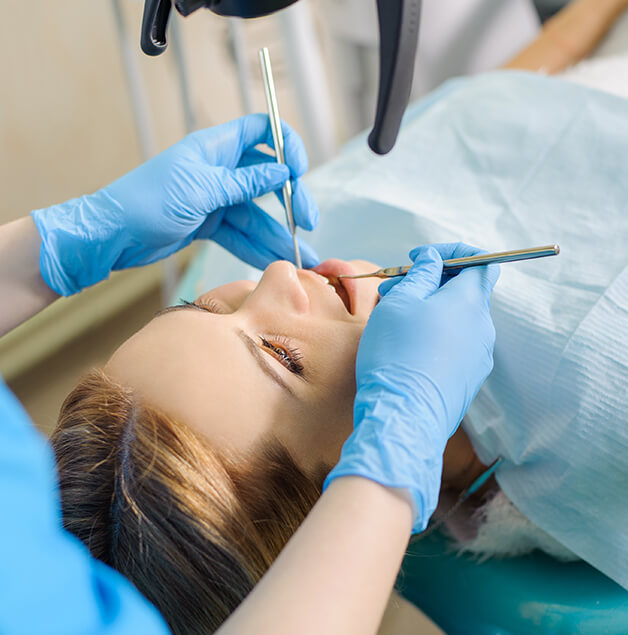
Oral cancer is diagnosed through a comprehensive examination of the mouth, tongue, throat, and surrounding tissues during routine dental visits. We look for visual and physical changes and may use advanced screening tools to detect abnormal tissue. If we identify a suspicious area, we refer patients for further evaluation or biopsy to confirm a diagnosis. Should you notice any unusual symptoms, please let us know as well.
Is oral cancer treatable?
Oral cancer is highly treatable, especially when it is detected early. Early-stage oral cancer often responds very well to treatment, which may include surgery, radiation, or other therapies depending on the diagnosis. Early detection can lead to less invasive treatment, higher success rates, and better quality of life.
Who is at risk for developing oral cancer?
Individuals at higher risk for oral cancer tend to include those who use tobacco products regularly, consume alcohol frequently, or have a history of HPV. Prolonged sun exposure to the lips, weakened immune systems, and being over 40 can also increase risk. However, oral cancer can affect anyone, making routine screenings important for all patients.
Contact Us