
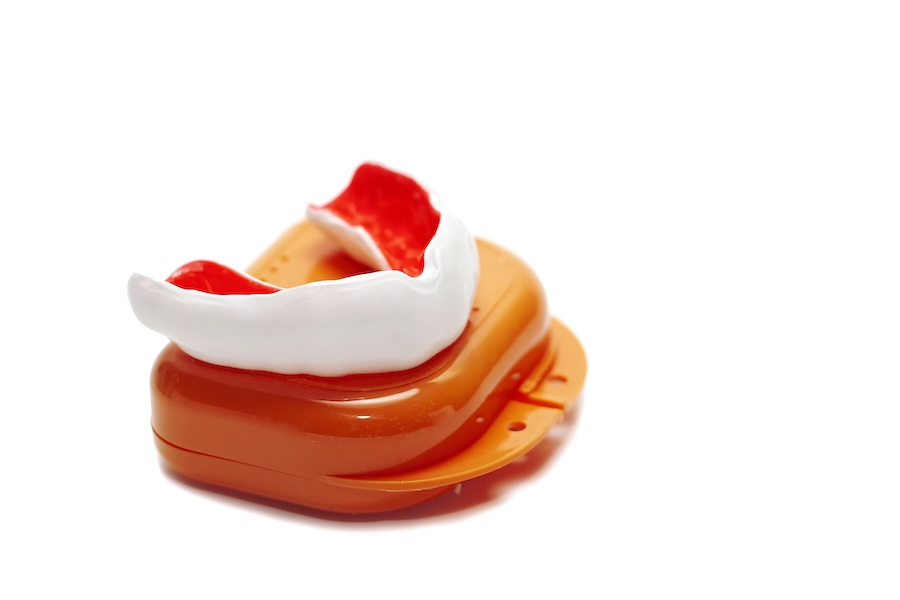
Sports That Require Athletic Mouthguards
November 18, 2026 9:00 amYou’ve found the cleats, filled the water bottle, and made it to practice with two minutes to spare. Then comes the question: where’s the mouthguard? It belongs in the bag for games and practices, including sports where the coach leaves that decision to you.
At Blue Plum Dental in Johnson City, TN, we make custom athletic mouthguards for kids, teens, and adults. Dr. Mead Lyons, Dr. Hong Tran, and our team check the fit around your teeth so the guard stays secure during play. Bring us the guard that keeps coming out halfway through practice, or let’s fit one before your own basketball league starts.
Sports Where We Recommend Mouthguards
For football, hockey, lacrosse, boxing, and martial arts, a mouthguard is a familiar part of getting ready to play. Check your team’s rules for any requirements about the type or design. Then wear it through practices and scrimmages as well as games, so keeping it in becomes part of playing.
We also recommend mouthguards for basketball, soccer, baseball, softball, and wrestling, even when they aren’t required. That includes the pickup game after work and the backyard practice that gets competitive. A broken permanent tooth can mean repairs and follow-up for years, so we’d much rather help you protect it before that happens.
If your weekends involve a skateboard, skates, or mountain-bike trails, consider a mouthguard with the rest of your protective gear. Choose one that stays in place when you open your mouth, rather than one you have to keep biting to hold on to. Keep wearing your helmet and other equipment as well; each protects a different part of you.
What a Mouthguard Protects
A mouthguard cushions a blow to the mouth and helps reduce chipped, broken, and knocked-out teeth. It also puts a barrier between the teeth and the lips and cheeks, reducing some cuts inside the mouth. If you wear braces, that layer keeps brackets from pressing directly into the soft tissue during a hit.
However, no guard prevents every injury, and it shouldn’t be relied on to prevent a concussion. Keep using the rest of the recommended equipment and follow safe-play rules. If there’s a head injury, get checked by a medical professional even when the teeth look fine.
After a hit to the mouth, check for a changed bite, loose teeth, bleeding, or pain when chewing. A tooth can be injured below the surface without an obvious chip. Call us if something feels different rather than wait for swelling or discoloration to appear.
Choosing a Mouthguard
Stock mouthguards come preformed and often need you to bite down to hold them in place. Boil-and-bite guards soften for shaping at home and can fit better when used correctly. Follow the directions carefully, since excessive heat or biting can leave the material distorted or too thin.
For a custom guard, we start with impressions of your teeth, then check the fit once it’s made. Open your mouth, take a few breaths, and try speaking while it’s in place. It should stay put without a hard bite, and we’ll check any edge that pinches, rubs, or makes you want to pull it out.
If a custom guard isn’t available, a well-fitting over-the-counter one still offers protection. Bring it to your visit if you’re unsure about the fit. We can look at coverage, thickness, and wear and help you decide whether it needs replacement.
Braces and Growing Teeth
Kids can outgrow a mouthguard before they outgrow the uniform. As new teeth come in or braces move them, last season’s guard can start pinching or stop seating fully. Bring it in for a fit check if that happens, and keep it out until we’ve checked whether it can still be worn.
With braces, a mouthguard needs room for both brackets and teeth that are still moving. We can work with your orthodontic team on which design to wear and when to replace it. Forcing a tight guard over shifted teeth or heating a custom appliance at home can damage the fit.
Retainers and nightguards have different jobs from sports mouthguards. Follow your orthodontist’s instructions about removing a retainer for contact sports. If you already wear another dental appliance, ask us what to use during play.
Helping Kids Keep It In
If your child keeps pulling the guard out, ask what’s bothering them. It might pinch, make them gag, or require constant chewing to keep it seated. Bring the guard in so we can check its length, coverage, and fit around any new teeth or braces.
Have your child try the guard before the next practice, with time to check any complaints. Ask them to open their mouth and say a few words so you can see whether it stays put. If it drops loose, digs into a tooth, or makes them gag, bring it in so we can assess the fit.
Keep the case beside the water bottle or in the same pocket of the sports bag, so packing it becomes automatic. After play, take the guard out to clean and dry it instead of leaving it loose with the gear. Check for chewed-through edges as you clean; a damaged guard needs replacing even halfway through a season.
Cleaning and Replacement
Rinse after play, clean as directed, and let the guard dry in a ventilated case. Keep it out of hot water and parked cars because heat can change its shape. Also, keep it away from the dog—a custom mouthguard makes an expensive chew toy.
Bring it to regular dental visits so we can inspect the fit and condition. Splits, thin areas, looseness, and growth can all mean it’s time for another one. Check it before the season starts, then keep an eye out for damage when you clean it after play.
Custom Mouthguards in Johnson City
From school sports near North Side Elementary and Liberty Bell Middle School to activities at East Tennessee State University, plenty of our Johnson City families spend their weeks at practices and games. Bring your current mouthguard, or schedule a fitting with Dr. Lyons, Dr. Tran, and our team before the season starts. Contact Blue Plum Dental, and let’s get your teeth ready to play!
Categorised in: Athletic Mouthguards, Dental Tips